
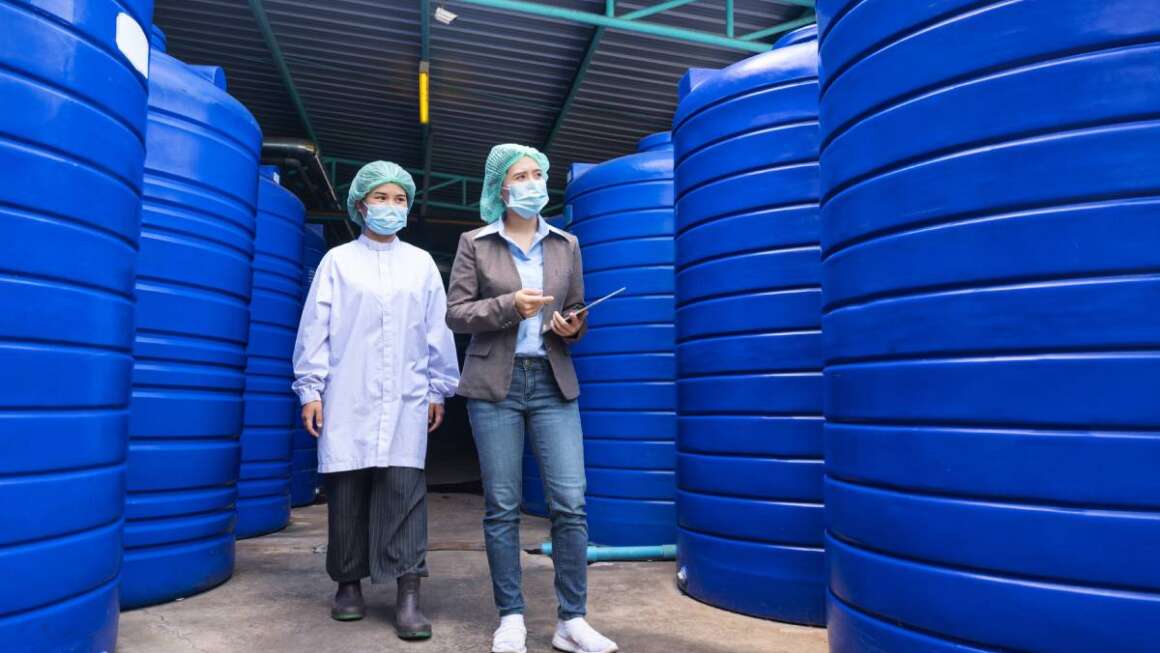
Fiberglass reinforced plastic (FRP) tanks are widely known for their impressive durability and cost-effectiveness. Whether used for residential, commercial, or industrial purposes, fiberglass tanks provide a lightweight yet robust solution for liquid storage. But like all materials, fiberglass is not immune to wear and tear—especially after years of exposure to various elements and contents. Cracks and damage can develop over time, and knowing how to fix them correctly is essential to extending the life of your investment.
In this comprehensive guide, we’ll discuss the longevity of fiberglass tanks, what factors influence their durability, and—most importantly—how to fix a crack in a fiberglass tank properly.
How Long Do Fiberglass Tanks Last?
It’s fascinating to note that fiberglass boats, which use similar materials to FRP tanks, have been known to last over 60 years with minimal issues. This speaks volumes about the strength and resilience of fiberglass as a material. However, FRP tanks don’t always enjoy the same longevity—mainly due to the specific environments and substances they are exposed to.
Factors That Influence Tank Lifespan:
-
Contents Stored:
The nature of the material stored in a fiberglass tank plays a critical role in its longevity. Water is relatively gentle on fiberglass, but harsh chemicals, acids, or reactive substances can corrode or weaken the internal structure over time. -
Environmental Conditions:
Tanks exposed to extreme temperatures, fluctuating pressures, or harsh weather conditions can degrade more quickly. UV exposure and thermal cycling are common culprits in outdoor tank degradation. -
Quality of Construction:
Not all FRP tanks are created equal. Choosing tanks from reputable manufacturers that follow strict quality control and industry standards will typically result in longer-lasting products. -
Maintenance and Inspections:
Regular inspections are vital. Catching small issues like cracks or delamination early can save thousands of dollars in repair or replacement costs later on.
Lifespan Estimates:
-
Fiberglass water tanks: 30 to 40 years on average
-
Fiberglass chemical tanks: 10 to 20 years depending on the chemical
-
Acid and metal reaction tanks (fiberglass or metal): 5 to 10 years
Routine inspection and maintenance will go a long way in preserving your tank’s condition, especially in corrosive or extreme environments.
Signs of Damage in Fiberglass Tanks
Before jumping into repair, it’s important to recognize the early signs of damage. Look out for:
- Hairline cracks on the tank’s exterior or interior
- Visible delamination or blistering
- Soft spots indicating internal weakening
- Leaking fluids
- Changes in pressure or contents behavior
The sooner these signs are addressed, the better your chances of avoiding costly replacements.
How to Repair a Crack in a Fiberglass Tank
Fiberglass tanks are surprisingly repairable when compared to other materials like metal or concrete. Small cracks and surface damage can be mended with simple tools and a bit of patience. Below is a step-by-step guide to repairing a crack in your fiberglass tank.
Step 1: Identify and Mark the Crack
Thoroughly inspect the tank and locate the full extent of the crack. Sometimes, hairline cracks may be longer than they appear. Use a marker to outline the visible edges.
Step 2: Drill Stop Holes
To prevent the crack from expanding, use a drill with a small bit to create a hole at each end of the crack. This technique helps relieve stress and stops the crack from growing.
Step 3: Prepare the Surface
-
Use an electric rotary tool to slightly widen the crack. This allows the epoxy resin to penetrate deeper and bond better with the fiberglass.
-
Clean the area thoroughly with a cloth soaked in isopropyl alcohol or acetone. Ensure the surface is dry before proceeding. Any dirt, moisture, or oil can prevent the epoxy from adhering properly.
Step 4: Apply the Epoxy Resin
Using a plastic applicator, press the epoxy resin into the widened crack. Be sure to overfill slightly to compensate for shrinkage during curing. Smooth out the resin with the applicator and ensure no air bubbles are trapped.
Step 5: Allow to Cure
Let the epoxy set for the recommended amount of time specified by the product label. This could range from a few hours to 24 hours, depending on the brand and environmental conditions.
Step 6: Sand and Smooth
Once the epoxy has fully cured, use medium to fine-grit sandpaper to smooth the surface flush with the rest of the tank. This step is especially important if you plan to apply a protective or cosmetic layer on top.
Step 7: (Optional) Apply Gel-Coat Enamel
For cosmetic finishes or added protection, you can apply a matching gel-coat enamel. These are commonly used in automotive and marine industries. Visit a local auto repair or marine supply shop to get a small batch. Apply it with a small brush and allow it to cure before using the tank again.
Additional Repair Tips
-
Use the Right Resin: Make sure to use epoxy resin compatible with fiberglass. Polyester resin is also common, but epoxy typically offers better adhesion and durability for repairs.
-
Protective Gear: Always wear gloves, a mask, and eye protection when working with resins and power tools.
-
Check for Multiple Cracks: One crack may signal the beginning of a larger problem. Check nearby areas to ensure there’s no widespread structural damage.
-
Consult the Manufacturer: If the tank is still under warranty or you’re unsure about the repair process, reach out to the original manufacturer. Many offer repair kits or specific instructions.
When to Call a Professional
While minor cracks and superficial damage can often be handled with a DIY repair, certain situations warrant professional attention:
- Cracks located at seams or joints
- Structural damage compromising the tank’s integrity
- Repeated leaks in the same area
- Tanks used to store hazardous materials
Professional repair services can also test the integrity of the tank post-repair using pressure testing or ultrasonic scanning.
Preventing Future Cracks
Prevention is always better than cure. Here’s how to extend the life of your fiberglass tank and avoid future cracks:
-
Routine Inspections: Conduct monthly visual checks, and annual detailed inspections—especially if the tank holds corrosive materials.
-
Avoid Overfilling: Repeated over-pressurizing of the tank can cause micro-fractures.
-
Control Temperature: Avoid exposing your tank to extreme heat or cold unless it’s designed for it.
-
Protect Against UV Rays: Outdoor tanks should be UV-protected or covered to prevent resin degradation.
-
Follow Manufacturer Guidelines: Always operate within the pressure, temperature, and chemical limits set by the tank’s manufacturer.
Choosing a Quality Manufacturer
Investing in a quality fiberglass tank is the first step toward avoiding premature cracks and failures. Choose a trusted supplier known for stringent quality control, consistent production standards, and after-sales support.
For example, Safe Fiberglass Tank is a reputable brand in the fiberglass tank industry, offering robust solutions for water, chemical, and industrial storage. With decades of experience, they prioritise durability, safety, and long-term performance.
Final Thoughts
Fiberglass tanks are a reliable, long-term solution for liquid storage—whether you’re dealing with water, chemicals, or industrial fluids. Like any piece of equipment, however, they are susceptible to damage over time, especially under harsh conditions. The good news is, cracks in fiberglass tanks are often repairable with the right tools and techniques.
By following the step-by-step repair process outlined above, conducting regular inspections, and adhering to maintenance best practices, you can extend your tank’s lifespan by years—even decades. And if you’re ever unsure, don’t hesitate to call a professional or reach out to your manufacturer.
A well-maintained fiberglass tank is not only a smart investment—it’s one that will continue to serve your needs reliably for many years to come.


